
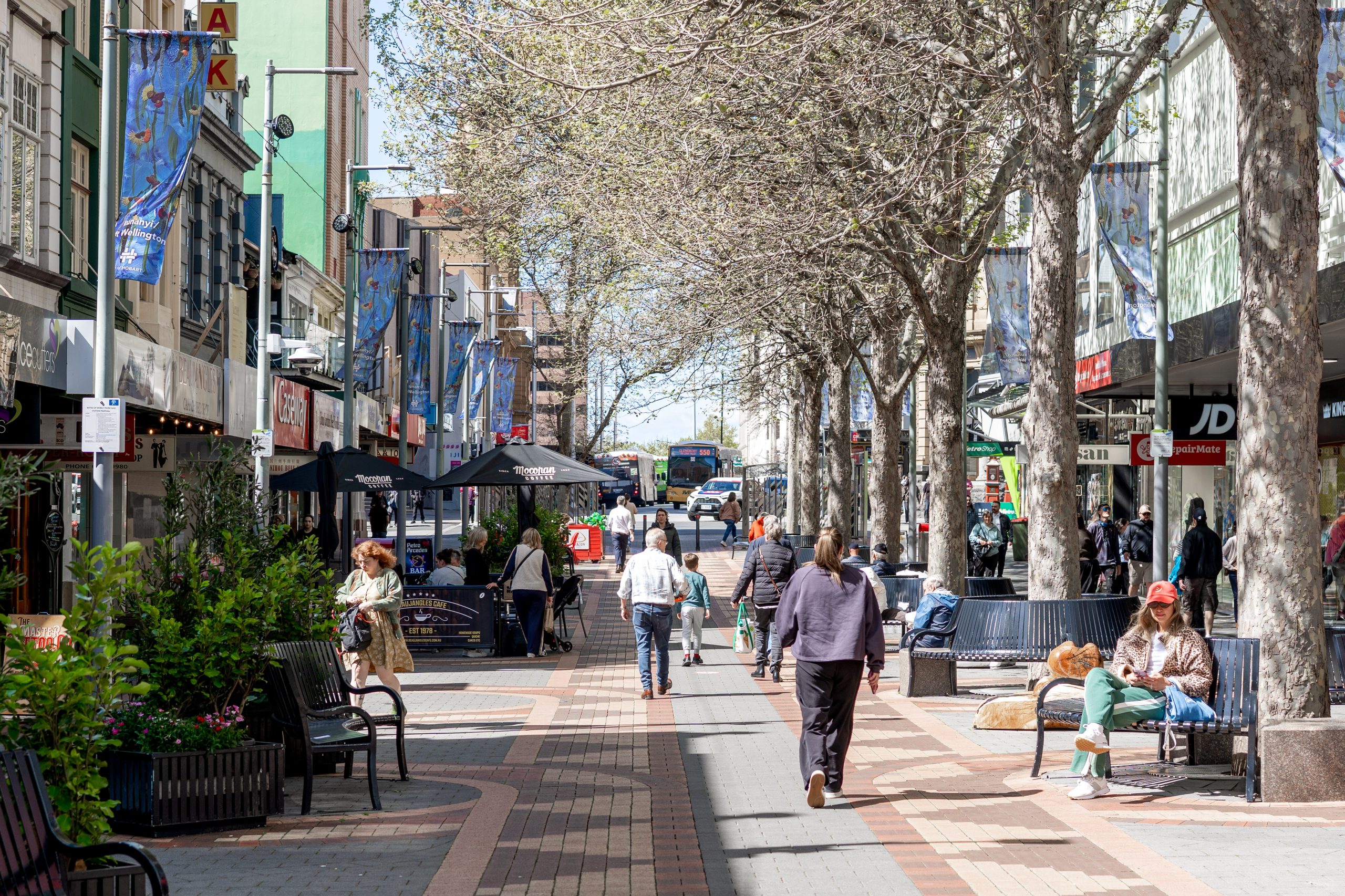
From first-home buyers to investors, here’s what yesterday’s Budget could mean for Hobart, housing supply, and the Tasmanian property market.
For a lot of Tasmanians, yesterday’s Federal Budget didn’t just feel like politics.
It felt personal.
Because when the national conversation turns to negative gearing, capital gains tax, and housing supply, the real question around Hobart kitchen tables is much simpler:
Will this make it easier, or harder, to find a home?
The honest answer is, not overnight.
But the 2026 Federal Budget could change the way buyers, investors, and developers think about property over the next few years. And for Tasmania, where supply is already tight, rental availability is stretched and first-home buyers are trying to find a way in, those changes matter.
This Budget does not magically solve housing affordability. No single Budget could.
But it does point the national housing conversation in a clear direction: less emphasis on tax benefits for established investment properties, and more encouragement for new housing supply.
For Tasmania, that’s the part worth watching most closely.
This article is general market commentary only and should not be treated as financial, legal, or tax advice. Some Budget measures may still require legislation, so the fine detail could change.
The Big Talking Point, Negative Gearing
The headline change is negative gearing.
Under the Budget’s tax reform announcement, the Government will limit the benefits of negative gearing to new residential builds from 1 July 2027. Existing arrangements are expected to remain unchanged for properties already held before Budget night.
For investors buying established homes after Budget night, the arrangement becomes more limited. They may still be able to deduct losses against residential property income and carry forward unused losses, but they won’t be able to offset those losses against wages or other personal income in the same way.
That sounds technical, but the practical point is simple.
New homes are being favoured. Established investment properties are becoming less tax-attractive for future purchases.
For Tasmania, particularly Greater Hobart and the northern suburbs, that could gradually change buyer behaviour.
Over the past few years, many investors have targeted established homes in suburbs like Glenorchy, Moonah, Claremont, Bridgewater, and Brighton because they offered relatively affordable entry points, strong tenant demand, and the possibility of long-term capital growth.
If some of that tax advantage is reduced for future purchases, a portion of investor demand may cool. Some investors may pause, while others may redirect their attention toward new builds, house-and-land packages, townhouses, and development-backed projects.
That could give first-home buyers slightly more breathing room in some established-home markets.
But it also creates a second question.
What happens to rental supply if fewer investors buy established homes?
That is where the Tasmanian picture becomes more complicated.
Could This Help First-Home Buyers?
Potentially, yes.
The Government has said, in the Budget cost-of-living papers, that the tax reforms are expected to support an additional 75,000 homeowners over the decade. The policy logic is clear enough: reduce some investor competition for established homes, redirect investment toward new supply, and give first-home buyers a better chance to compete.
In practice, Tasmanian first-home buyers will still face the same core challenges they already know too well: saving a deposit, managing borrowing capacity, finding suitable stock, and competing in suburbs where affordable homes are limited.
A buyer looking at an established three-bedroom home in Glenorchy, Berriedale, or Claremont could benefit if investor demand softens slightly.
A buyer looking for a brand-new home may find more options over time, especially if developers respond to the new tax settings.
But if new housing takes years to arrive, the short-term effect may be less dramatic than the headlines suggest.
Tasmania’s issue has never been demand alone. It is also supply.
The Capital Gains Tax Changes
The Budget also announced a significant change to capital gains tax.
Currently, many investors who hold an asset for more than 12 months can access a 50% capital gains tax discount. Under the Budget changes, that discount is set to be replaced with an inflation-based approach from 1 July 2027, alongside a minimum 30% tax on gains.
Investors in new builds are expected to have more flexibility, with the ability to choose between the existing 50% discount and the new arrangements.
Again, the direction is clear.
The Government wants to make speculative investment in established housing less attractive, while keeping incentives in place for investment that adds to housing supply.
For Tasmania, this may not trigger a sudden sell-off. Many local investors are long-term holders, not short-term speculators. A lot are everyday “mum and dad” investors with one property, not large portfolios.
But future investors are likely to look harder at the numbers. Rental yield, holding costs, depreciation, land tax, maintenance, vacancy risk, and long-term rental demand will all matter more.
That kind of shift can change a market quietly before it changes it dramatically.
The Tasmania Reality Check
This is the section that matters most locally.
A Federal Budget can change tax settings, but it cannot instantly create serviced land, available trades, faster planning approvals, or finished homes.
Tasmania needs more housing, but getting homes built here is not always simple.

Recent ABS building approval figures show the mixed nature of the challenge. Nationally, total dwelling approvals fell in March 2026. Tasmania’s seasonally adjusted total dwelling approvals rose for the month, but the trend estimate still slipped. In plain English, one better month does not remove the broader supply pressure.
The industry wishlist is familiar: faster and more predictable planning approvals, more build-ready land, better infrastructure coordination, more medium-density housing, lower regulatory friction, and a stronger construction workforce.
That is why the Budget’s $2 billion Local Infrastructure Fund is important. The fund is designed to help build the roads, water, sewerage, power, and other essential services needed before new homes can actually be delivered.
Tasmania also already has a separate Commonwealth and State-backed housing infrastructure agreement in motion, with support intended to unlock homes in areas including Brighton, Sorell, and Meander Valley. Some of the first homes under that program are expected from 2027-28.
That is encouraging, but it also tells us something important.
Even when policy is moving in the right direction, housing supply takes time.
Approvals are not homes. Funding announcements are not homes. Subdivisions are not homes until people can actually live in them.
And that time lag is exactly why Tasmania’s housing market is unlikely to change overnight.
What About Rents?
This is where investors and renters may be looking at the same Budget from very different angles.
For renters, the hope is that more housing supply eventually creates more choice and eases rental pressure.
For investors, the concern is that reduced tax benefits could make some future purchases less attractive, particularly in established-home markets.
For Tasmania, the rental market is already tight. Hobart’s rental vacancy rate has recently been sitting well below what would usually be considered a balanced market.
That means even a small reduction in investor activity could matter if new supply does not arrive quickly enough.
If the reforms successfully redirect investment into new housing, that could be positive over the medium to long term.
If investors pull back faster than new homes are delivered, renters could feel more pressure first.
That is why Tasmania needs both sides of the equation to work: fairer access for buyers and enough rental housing for people who are not in a position to buy.
What Could Happen to Property Prices in Tasmania?
This is the question everyone wants answered.
Will prices fall? Will first-home buyers suddenly have the upper hand? Will investors exit the market?
The most likely answer is less dramatic than the social media commentary.
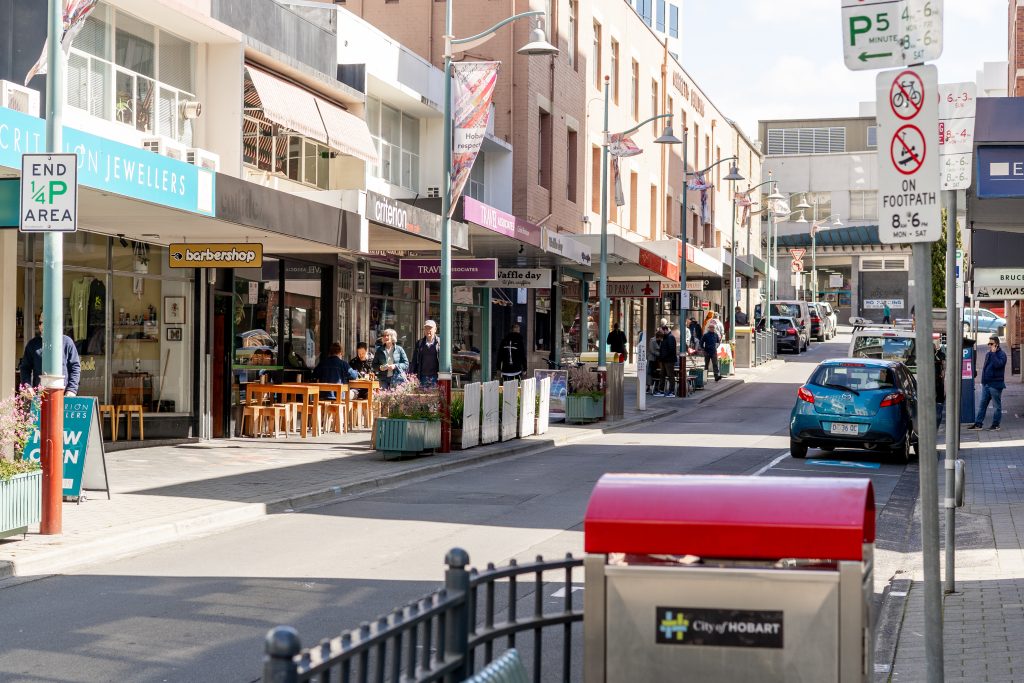
The Budget may take some heat out of investor demand for established homes, especially over time. But Tasmania still has a tight supply environment, strong rental demand, and a relatively affordable position compared with larger mainland capitals.
Recent PropTrack market data has already shown Australia moving into a more uneven phase. National home prices eased slightly in April, while Hobart recorded one of the stronger monthly results among the capital cities.
That matters because Tasmania is not simply moving in lockstep with Sydney and Melbourne. Our market has its own rhythm.
Rather than expecting a sudden correction, it may be more realistic to expect a more selective market.
Homes that are well-presented, well-priced, and well-located should continue to attract interest. Properties that rely heavily on investor demand may need sharper pricing. New homes and development-backed stock may receive more attention. Established homes in tightly held suburbs may still be strongly supported by owner-occupiers.
In other words, not one market.
Several markets, moving at different speeds.
What This Means for Sellers and Homeowners
For homeowners, the main message is simple: don’t panic.
A Federal Budget can influence confidence, but it does not replace local market fundamentals.
If you own a family home in a tightly held suburb, your buyer pool may still be largely owner-occupiers. Those buyers are usually driven by lifestyle, schools, convenience, land size, presentation, and emotion, not just tax policy.
If you own a property that has strong investor appeal, such as an entry-level rental, unit, townhouse, or high-yield home, the buyer pool may shift over time. Pricing, presentation, and rental evidence will become even more important.
And if you are thinking about selling in a growth corridor, especially where infrastructure and new housing are part of the conversation, the Budget may actually increase interest in future supply areas.
The key is not to apply a national headline to every Tasmanian property.
A home in Moonah does not behave exactly like a home in Sydney.
A rental in Brighton does not behave exactly like an apartment in Melbourne.
Local advice still matters.
The 4one4 Take
At 4one4 Property Co., we think this Budget will probably reshape the market gradually, not instantly.
As Director of 4one4, Patrick Berry, explains, the biggest shift is the Government’s clear push to direct more investment toward new housing rather than established properties—something that could gradually create more breathing room for first-home buyers in parts of the market.
But for Tasmania, the bigger issue remains supply.
“We still need more homes, more build-ready land, and the infrastructure to support future growth,” he says. “That is why we do not expect the market to suddenly change overnight.”

For first-home buyers, as mentioned, there may be some breathing room in parts of the established market, especially if investor activity softens. But affordability will still depend heavily on borrowing capacity, available stock, and how quickly new homes are delivered.
For sellers, the message is to focus on the fundamentals: presentation, pricing, timing, and understanding who the likely buyer actually is.
For Tasmania as a whole, the Budget reinforces something we already knew.
Housing supply is the story.
The biggest change is not that investors will disappear. It is that investors may become more selective, and new housing may become more attractive.
The next chapter of the Tasmanian property market may not be defined by runaway price growth. It may be defined by whether we can create enough homes for the people who want to live here.
And that is why broad national headlines never tell the full Tasmanian story.
If you’re wondering what these changes could mean for your property, your investment plans or your next move in Hobart’s market, our team is always happy to chat.
Because Budgets come and go.
But good local advice never goes out of style.